

Purpose and Necessity of Sludge Screens in Wastewater Treatment Plants
Even with the presence of fine screens at the inlet of wastewater treatment plants, some debris still enters the sludge, primarily consisting of plastic pieces and fibrous materials. These materials can severely disrupt the operation of key sludge processing equipment. Such particles can weaken the performance of pumps, heat exchangers, mixers, and dewatering systems. Recurrent clogging of pumps and valves in the sludge section due to hair, fibers, and small debris (such as wood chips, paper, and plastic) is a noteworthy problem in wastewater treatment plants. This issue not only causes frequent shutdowns in the sludge separation line and interrupts the sludge disposal process but also leads to the premature wear of equipment and valves. Hair and fibers often form clumps and fat balls, making it crucial to remove these destructive particles before they cause issues in the sludge disposal process and damage the sludge section equipment.
Technical and Economic Justification for Sludge Screens
Improved Equipment Reliability: By reducing the volume of hair, fibers, and small debris, the operational reliability of downstream sludge processing equipment, such as thickening units and digesters, is significantly increased.
Enhanced Anaerobic Digester Efficiency: Preventing foam formation in anaerobic digesters, leading to improved digester efficiency.
Reduced Wear and Tear: Prevents wear and tear on sludge section equipment, including pumps, heat exchangers, mixers, and belt filter presses (such as sludge circulation pumps).
Minimized Pump Maintenance: Sludge circulation pumps often require daily disassembly due to blockages, but the use of sludge screens significantly reduces these blockages.
Avoided Anaerobic Digester Dredging: Prevents the need for periodic dredging of anaerobic digesters in the treatment plant.
Prevented Sludge Overflow: Avoids blockage of outlets and overflow of sludge from the top of digesters.
Advantages of the Sludge Screen Device
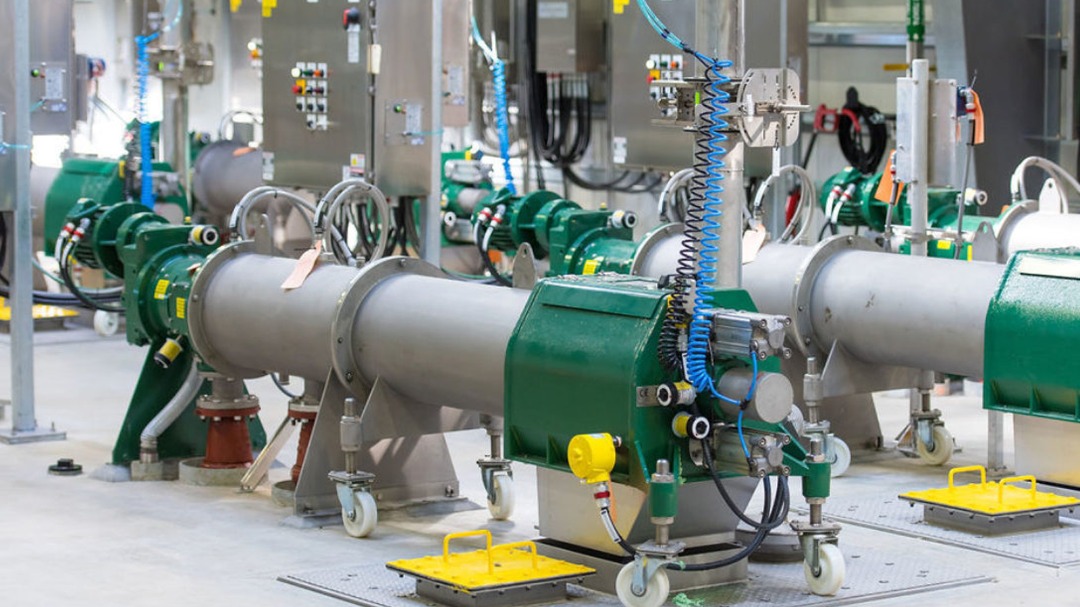
Pressurized and In-Line Installation: The device operates under pressure and can be installed inline, resulting in minimal odor production.
Independence from Hydraulic Conditions: It is not dependent on the hydraulic conditions of the treatment plant (no limitations regarding height or installation location).
Minimal Space Requirement: The device occupies very little space.
No Cleaning or Water Washing Required: The device does not require cleaning or washing with water.
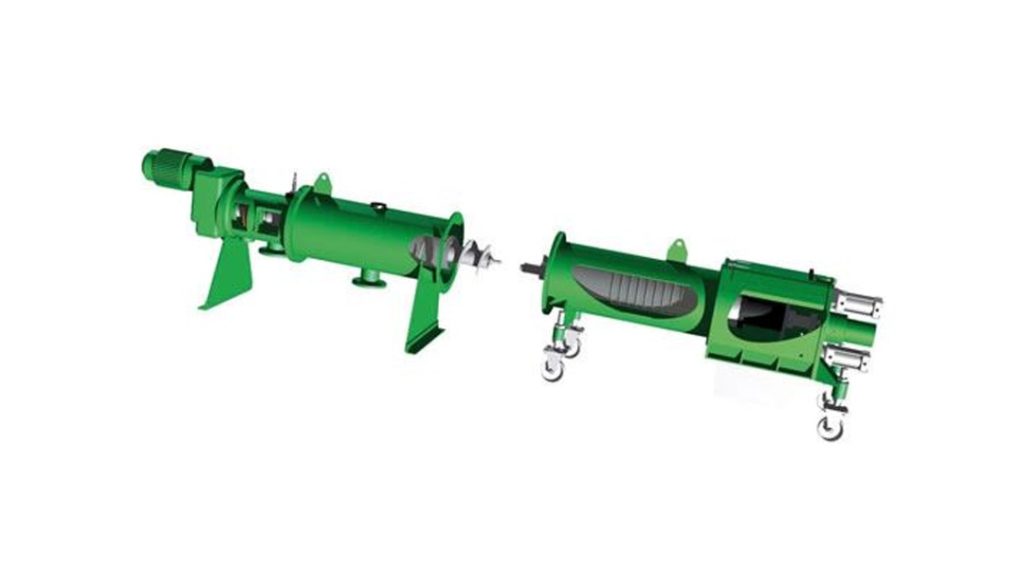
Simple Maintenance: Due to its two-part design, maintenance and repairs are straightforward, with easy access to components.
Flexible Solids Removal Efficiency: The device can use screens with different apertures, allowing flexibility in solid removal efficiency.
Reasons for the Popularity of Sludge Screens
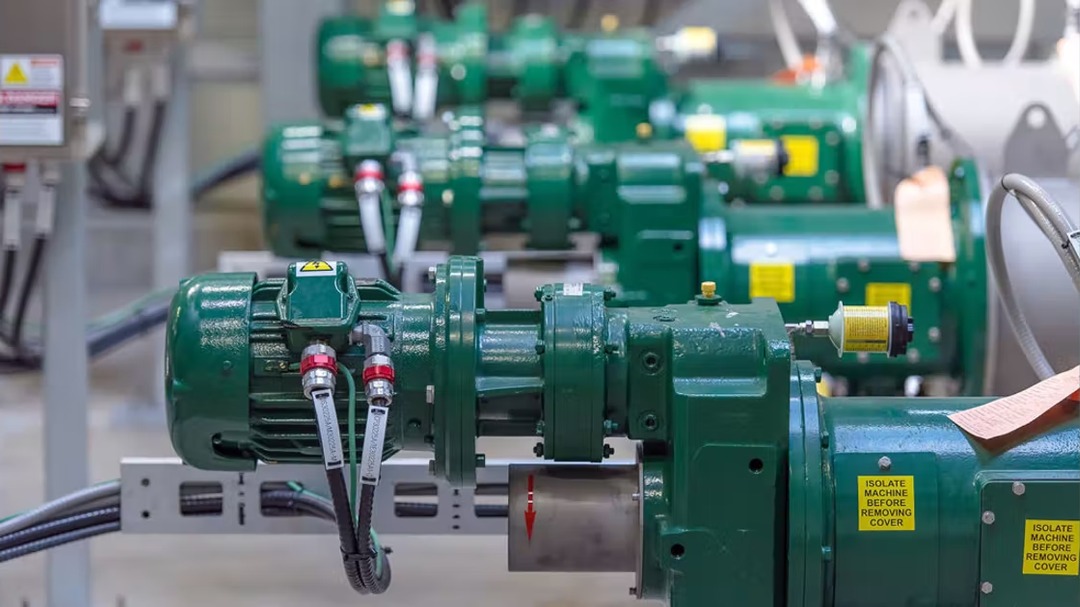
One key advantage of the sludge screen is that its motor is never in contact with water or wastewater within the device, resulting in significantly less motor failure compared to devices where the motor is exposed to water. Additionally, the sludge screen occupies less space than other waste collection devices, which is particularly appealing to many industrial units.
Another remarkable feature of this device is its ability to compress waste. The waste collected by the screens is wet and heavy, which can result in high transportation costs for disposal or recycling. By compressing the waste, the sludge screen helps conserve water recovered from wastewater and minimizes additional costs associated with waste disposal. This makes the sludge screen an excellent complement to fine screens.

